
Have you ever been watching another artist work and they do something that makes you stop and think, “How did I not know that?” It happens to me all the time. Everyone has their own little tweaky ways of doing things, and when you’ve been at this for a while, you pick up these tiny hacks that just make everything easier.
Over the past five years of Workshop Week, there have been certain moments that made the chat absolutely explode. People still bring them up year after year – “Remember that trick Samira did?” or “Remember Lynn’s hack?” So I thought I’d gather up five of those mind-blowing moments and share them here, because honestly, they’re too good not to.
Rather watch than read? Check out the full video by clicking the video below!
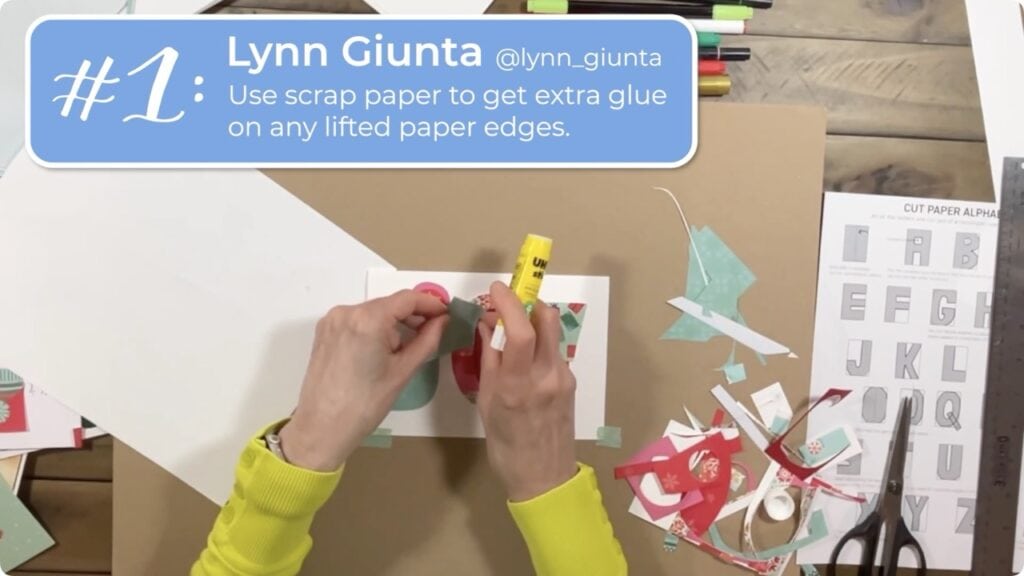
The Scrap Paper Glue Trick
When you’re working with thick paper that wants to curl up and fly away, getting glue exactly where you need it can be frustrating. Here’s the trick: grab a scrap piece of paper, put some glue on it, then slide it under the curling edge. Push down, and pull your fingers out while keeping the pressure on.
This way you get a precise application of glue right where you need it, without wrestling with the paper or ending up with glue everywhere. For really thick pieces, I’ll put the whole thing under a stack of books while it dries.
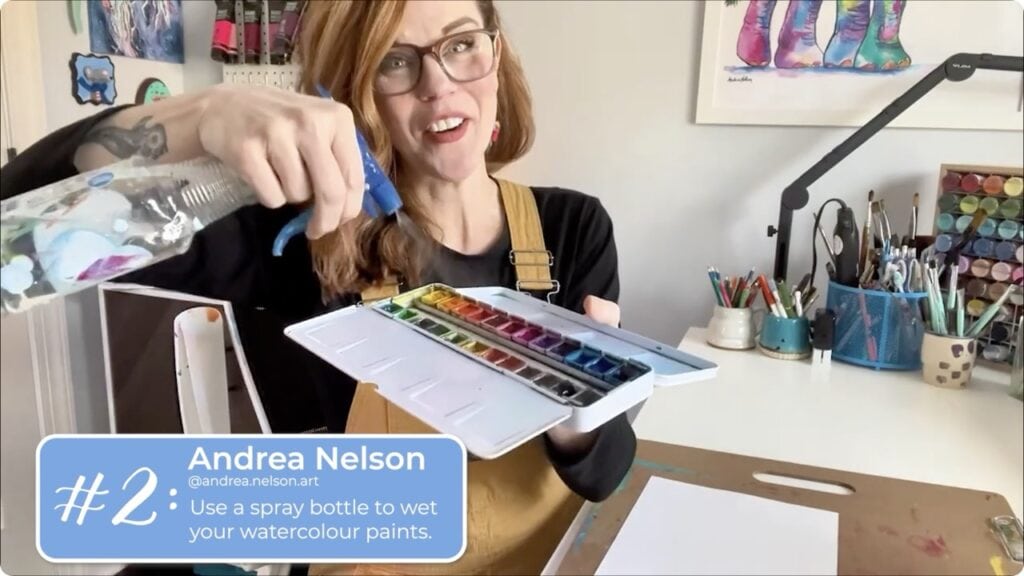
Spraying Your Watercolour Paints
Before you start painting, give your watercolour palette a quick spray with water. This activates the paints and gives you much more vivid colours right from the start. For projects where you want rich, saturated colour – where you’re really loading up the paper with paint – this step makes a huge difference. Wet your paints first, then grab your brush and get messy.
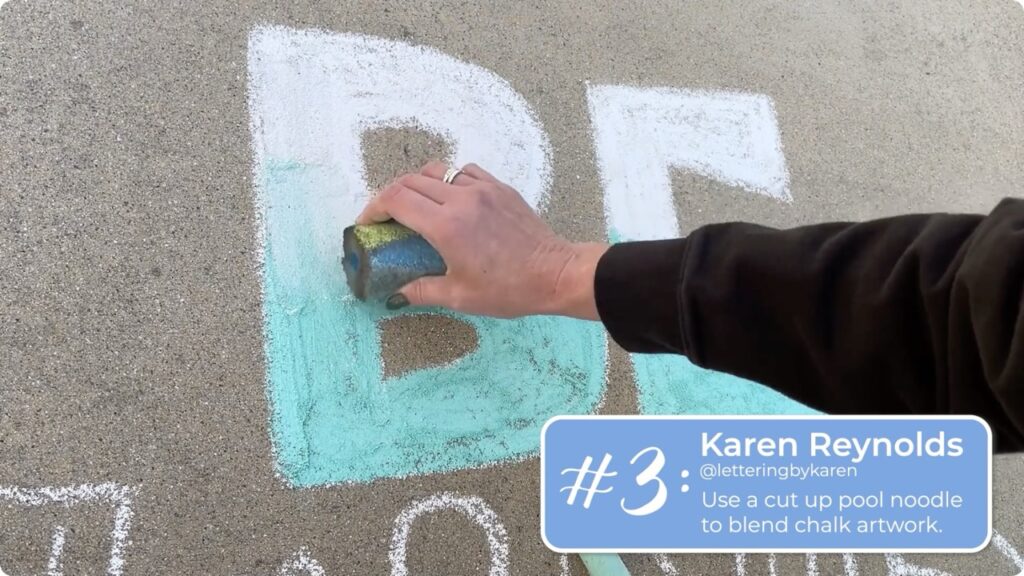
The Pool Noodle Blending Tool
This one’s a bit unexpected. A pool noodle has two different textures – the rough top and bottom, and the smoother curved sides. The smooth side works brilliantly for blending chalk or pastels. Just rub it over your work the same way you’d use your hand, and it blends everything together beautifully.
The rough side has its own purpose. It’s perfect for creating shadows because it pulls up some of the chalk, making the colour less opaque. That lighter, slightly textured effect is exactly what you want for dimensional shading.
Clipboards and Pant Hangers for Displaying Art
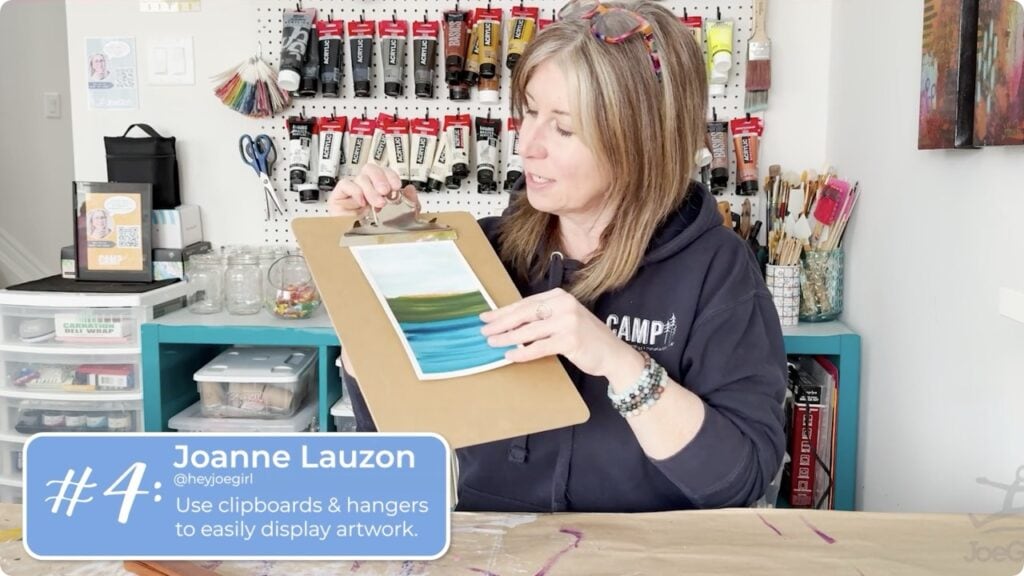
I love this one because it’s so simple. Clipboards make perfect frames for small watercolour pieces or other flat artwork. Since they already have a hole at the top, you can hang them straight on a nail. Plus, you can swap out the art whenever you want, or use them for notes and reminders between projects.
Wooden pant hangers from the pound shop work the same way. Just clip your artwork between the two wooden bars, and you’ve got an instant display system that you can hang on the wall. Easy to change, easy to move around.
The Spoon Transfer Method
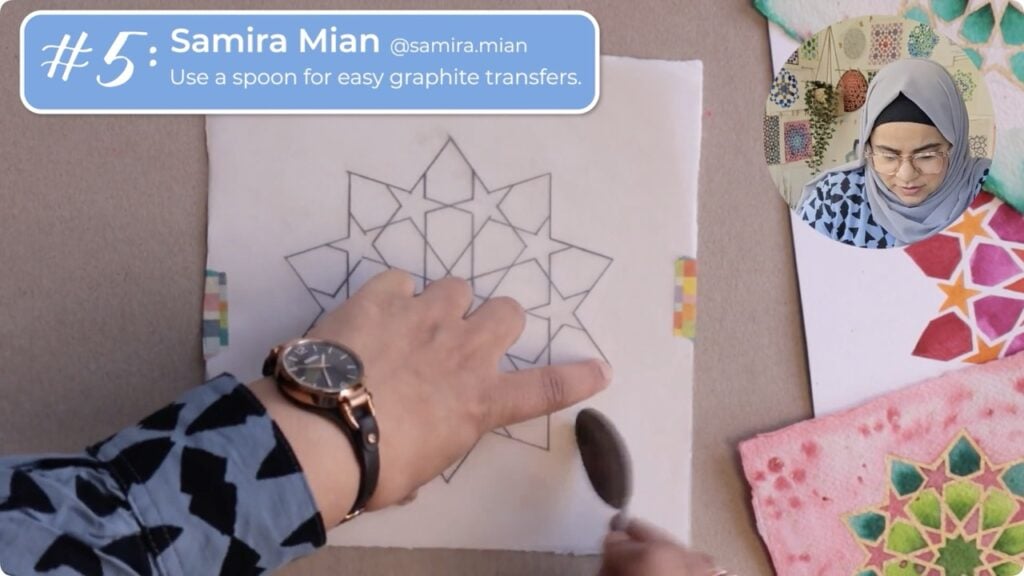
When you’re transferring a pattern onto paper, there’s the standard way – tracing the graphite side down and redrawing the lines on top. But here’s the faster method: after you’ve positioned your pattern face down on the paper (graphite marks touching the surface), grab a spoon.
Not for snacks, unfortunately, but for burnishing. Use the back of the spoon to rub over the pattern. Your other hand acts like a clamp to hold everything in place while you work. You can lift up a corner as you go to check how well it’s transferring, then adjust your pressure as needed. It’s much faster than redrawing every line.
That’s a Wrap
These are the kinds of things that come up again and again at Workshop Week – those little tricks that just make everything click. There’s something special about learning from other artists and seeing how they solve the same problems you’ve been working around for ages.
What’s your favourite little hack that you’ve picked up from watching other crafters work?
And finally, your dad joke…
I taught my dog how to fetch tools from my workshop…
He’s not perfect, but he knows the drill.


Comments