

One of the most common questions I get from beginners in my free calligraphy course is:
“Okay, but what paper should I actually use?”
And it’s such a good question – because yes, tracing paper and marker paper are awesome for practice, but you’re not about to hand someone their wedding vows on a flimsy sheet of tracing paper.
So let’s break it down: the best paper for practice vs. the best paper for finished projects.
Supplies Used
Rather watch than read? Check out the full video by clicking the video below!
What to Use for Practice
When you’re learning, there are two things that matter most:
- Smooth paper (so you don’t destroy your brush pens)
- Guidelines (so your practice is consistent)
Here are my top three practice-paper options:

Option #1: Marker Paper
- Thin, smooth, and made for brush pens
- Your pens glide beautifully across it
- Bonus: it’s translucent, so you can lay it right over worksheets and trace
This is why so many of my workbooks pair perfectly with marker paper.


Option #2: Tracing Paper
- Similar idea: thin, see-through, and smooth
- A little less expensive than marker paper
- Slightly rougher on brush pens, but still fine
Great if you want something budget-friendly.


Option #3: Rhodia Paper (my personal favourite)
- Comes with guidelines built right in (grid, dots, lines, or blank)
- Smooth surface with zero bleeding
- Sometimes translucent enough to use for tracing, depending on your worksheet
I use Rhodia constantly for drills and regular practice – it just works.


What to Use for Final Projects
When it’s time to make a “good copy” project (like a wedding sign, a framed quote, or a gift), you want paper that feels professional and sturdy.
My go-to: Strathmore Bristol Smooth
- Look for the one labeled Smooth Surface (not Vellum!)
- Thick, high quality, and super smooth
- Looks polished and professional


But here’s the thing: most cardstock or heavy papers aren’t designed with brush pens in mind. They can be slightly textured, and yes, they will wear your pens down faster.
And that’s okay. Use your tools to make something beautiful—it’s worth it.
A Few Extra Tips
- Test before you commit. Some cardstock bleeds like crazy. If you can, grab a single sheet before buying a whole pad.
- Try faux calligraphy. If the paper is too rough for brush pens, switch to faux calligraphy (drawing your thick downstrokes manually with any pen).
- Don’t skip guidelines. Just because you’re not on Rhodia anymore doesn’t mean you can eyeball it. Use a light pad, draw pencil lines, or use any of my tricks for straight lettering (I have a full video called 5 Hacks for Straight Lettering if you want to see how I do it).
Want More Supply Help?
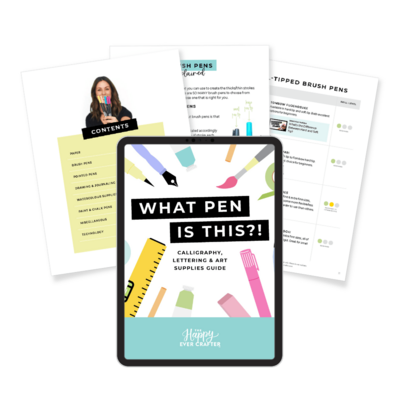
If you’re overwhelmed by all the options out there, I put together a free supplies guide that lists everything I recommend (with links) for modern calligraphy and related projects. It’s the easiest way to know exactly what to buy – and what to skip.
Grab the guide here and you’ll always know what tools will actually make your lettering easier (instead of harder).
And finally, your dad joke…
What’s a dog’s favourite thrift store?
The paw shop.


Comments